 MyGDC
MyGDC| Supporting Material shows ways in which the Principles, Professional Guidance, the Expectations and the relevant legislation can be applied within different contexts, and they may signpost to relevant resources. They do not introduce new principles or guidance and will not be used as a basis of an allegation of impaired fitness to practise. |
This resource invites dental professionals to reflect on the importance of diversity and inclusion within their teams, fostering a culture of respect and belonging. By valuing the unique experiences and identities of each team member, dental teams can enhance collaboration, reduce discrimination, and create a supportive environment that benefits both colleagues and patients. This resource provides examples and practical insights to help you promote inclusivity and strengthen your practice, which aligns with GDC’s fourth principle of professionalism: work in partnership with others.
Why is diversity and inclusion important?
Good teamwork is crucial for your wellbeing and the wellbeing of those you work with. If someone is being discriminated against, bullied, or victimised at work, or feels like they do not belong in their team, it becomes more difficult to work in partnership with others. As a result, providing the best possible outcomes for patients can become difficult.
It is important to value diversity in the team to help create a feeling of belonging, reduce the likelihood of discrimination or bullying, and to enable the team to deliver the best care they can to patients. When reflecting on the diversity of your team, you should consider the demographic differences that are present within a group. These can include accents, native language, migration status, ages, caring responsibilities, culture, religion, disabilities, gender, sex, neurodiversity, family status, and socio-economic circumstances.
A diverse team is not necessarily one that is inclusive. To achieve inclusivity in a team, everyone must be treated fairly, with respect and have access to the opportunities that align with their skills, experience, and career stage. Inclusion is necessary for people to thrive as it enables them to feel like a valued part of their team and help encourage a positive attitude towards work and the patients being cared for.
A person’s individual characteristics can influence working styles, preferences and personal or cultural boundaries. Such characteristics and differences should be respected and not discriminated against. Ensuring that everyone is included and feels included is key to ensure that the whole team, regardless of their diversities, feels respected and valued.
Knowing your legal responsibilities
In addition to doing the right thing, we have a legal responsibility not to discriminate. As dental professionals you must be aware of and follow this legal requirement.
The Equality Act 2010 comprises discrimination legislation applicable to England, Scotland and Wales and sets the protection for nine protected characteristics: age, disability, gender reassignment, marriage and civil partnership, pregnancy and maternity, race, religion or belief, sex and sexual orientation. In Northern Ireland, there is no full equivalent to the Equality Act 2010, however, there are several laws that cover certain types of discrimination1.
Promoting inclusion and diversity within your team should go beyond the nine protected characteristics and should be more than a legal compliance exercise. It is important that you and you colleagues feel safe, respected and valued at their workplace, this positive culture.
How can we promote inclusion and diversity?
1. Seeing the whole person
Different people will process things differently. This is true even if they have many characteristics in common. It is important to see everyone as a whole person, rather than reduce them to a single characteristic. This means considering how distinct characteristics interact with each other and how these combinations of characteristics might affect how they see the world.
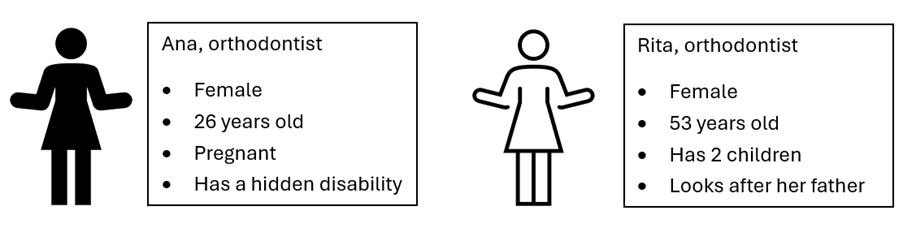
See the examples above.
Ana and Rita are both women, however, they have a multitude of characteristics and life experiences which are not the same as the other person. These characteristics are part of what define them as individuals and influence their outlook on life and their wants and needs. Recognising and understanding your colleagues’ unique experiences and individuality is an important step to tackle discrimination and foster a respectful work environment, by doing so you will:
- Promote empathy and respect. Understanding people’s individuality allows us to see them as their whole person, potentially reducing prejudice and fostering inclusive attitudes.
- Challenge biases and assumptions, by acknowledging individuality and reducing generalisations.
- Improve teamwork and collaboration, since respectful work environments may lead to unlocking more diverse and creative perspectives as well as furthering the collaboration within teams.
You should use your judgment to reflect upon your colleagues’ characteristics and determine what the best way is to engage and work with them.
2. Bias and discrimination
Our life experiences can affect the way we see other people and lead us to perceive reality in a way that may not be a true reflection of it. This is how bias manifests. As much as our actions may be well-intentioned, we will always have a degree of bias impacting our thinking. Take the following example:
Barbara is the practice manager of a dental clinic where there is a vacancy for a dental nurse position. Barbara assumes dental nurses will be female, associating them with nurturing and caring skills, and starts leaning towards female candidates.
As a result, Barbara rejects a well-suited male applicant at the early stages of the recruitment process and ends up hiring a female dental nurse due to gender-based assumptions. These actions limit the diversity and skillset of the team, while perpetuating the bias and stereotype believed by the practice manager. It is also an example of illegal gender-based discrimination.
To avoid following a similar path to Barbara’s, you can try to become more aware of your biases. This might include getting your team’s views on the task at hand and asking yourself why you are making certain decisions.
What can you ask yourself?
General reflection points - what else can we reflect upon when trying to promote inclusion and diversity within a team?
Adopting an intersectional approach and tackling unconscious bias are only two examples of how to promote diversity and inclusion within a team. Here are a few reflection points to think about:
- Do I hold assumptions about a group of people that may impact how I treat individuals from that group?
- Do I take the diversity of my team into account when I communicate with them?
- Is the way I treat my colleagues based on their work experience and skills or on their personal characteristics?
- How do I support each colleague, as an individual, to achieve their best performance? Is there anything I could do differently?
- Is there a chance that my vocabulary may be perceived as derogatory or abusive towards a colleague, patient or anyone who has a particular protected characteristic?
- Am I using stereotypes about colleague? Might using these stereotypes lead to me being discriminatory?
Reflection points for leaders and employers - what things can you consider as a leader or employer?
- Am I taking my colleagues’ needs into account and considering reasonable adjustments to help them thrive?
- Does my practice have an inclusion and diversity policy or code of practice in place?
- Could my work policies be discriminating against any colleagues?
- When I am making a change to the way we run the practice, do I know if it will adversely affect some of my colleagues with specific characteristics? Have I consulted them or done some research to find out?
- Do I encourage feedback from my colleagues and reflect on it, acting where necessary? Do they know this?
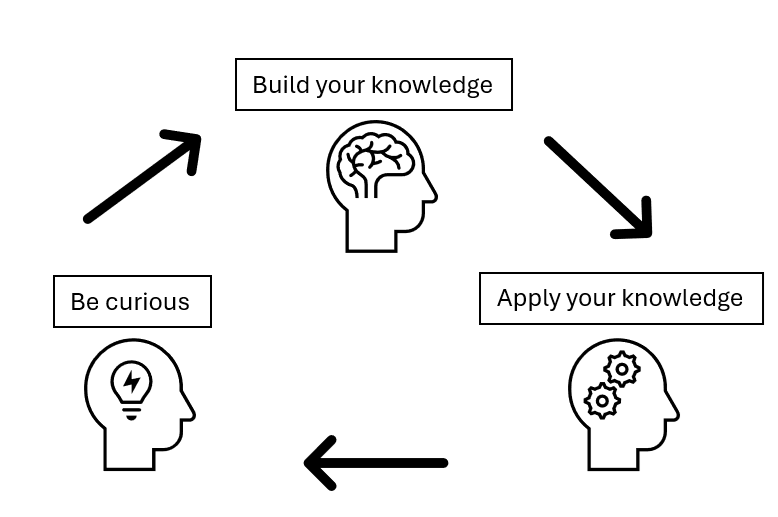
Regardless of your role, it is an important part of being a professional to consider these questions and many more to help determine how you should treat your colleagues, patients, and all others around you. As indicated in the illustration below, by being curious and considerate, you will build you knowledge which then can be applied continuously to increase your understanding. Learning and improving your knowledge should be a continuous exercise throughout your career.
Key points to remember
Promoting inclusion and diversity within your team should go beyond the characteristics protected by law and is more than an exercise in seeking legal compliance. It is important that everyone feels safe, respected, and valued in the workplace. A welcoming and caring team will welcome and care for their patients.