 MyGDC
MyGDCWhat an interfaith perspective will do for your career
When I was a dental student at the University of Bristol, nobody taught me anything about religion and how my future patients’ beliefs would shape their care. Religion was assumed to be private, slightly awkward, and certainly nothing to do with cavities. That silence didn’t end on graduation.
Decades on, having spent much of my career studying and practising dental care that considers how different cultural beliefs, values, traditions, and social backgrounds influence oral health, I would put it near the top of the list of things I wish someone had told me earlier.
Here is why. Your patients will not leave their beliefs in the waiting room. The woman who wants her extraction moved because of Ramadan, the man who asks whether the anaesthetic contains gelatine, the anxious teenager whose grandmother wants to sit in and pray quietly in the corner — these are ordinary Tuesday afternoons in British dentistry.
Your colleagues are no different: the nurse who needs Friday prayers, the hygienist who is a committed humanist and quietly tired of being asked where she goes to church. An interfaith perspective is simply the ability to work well amid these considerations without panic, embarrassment or blunder.
Notice what it is not. It is not knowing the rules of every religion. Nobody does, and the attempt leads straight to stereotyping. I have met Sikhs who fast and Muslims who don't, devout Catholics with wildly different views from the pew next to them. The label on the medical history form tells you almost nothing about the person in your chair. What an interfaith perspective gives you instead is a habit: the assumption that belief might matter to this individual, and the confidence to ask an open question. ‘Is there anything important to you that we should take into account?’ costs nothing and has rescued more consultations than any instrument I own.
It also does something for you. Whatever your own position — I write as a Christian, but I have learned as much from Muslim, Hindu, Jewish and non-religious colleagues as from my own tradition — taking other worldviews seriously is excellent training in humility. It teaches you that thoughtful people reach different conclusions about the deepest questions, and that this is no barrier to trust, friendship or good teamwork. A dentist who can sit comfortably with difference tends to be better at consent conversations, better at breaking bad news, and far better at leading a team, because leading a team is mostly the art of taking other people's inner lives seriously.
And here is what many established dental professionals overlook. The big questions in oral health — inequality, prevention, access — increasingly run through faith communities, which reach populations our clinics never do. Some of the most interesting public health work I have been involved in has happened in gurdwaras, mosques and church halls.
My advice to you is this: ask your fellow dental professionals about what they believe and listen properly. Accept the invitation to the Diwali celebration, the iftar, the carol service. Curiosity now becomes competence you can use tomorrow. The GDC requires you to respect your patients' beliefs; an interfaith perspective is what makes that respect genuine rather than procedural. It will make you not just a safer dental professional, but a more interesting one.
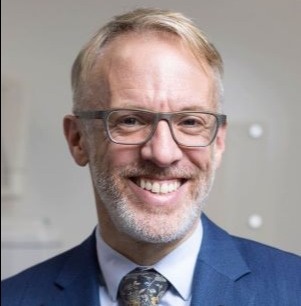
Professor Raman Bedi, President of the Christian Dental Fellowship and Former Chief Dental Officer for England.
What to read next…

Shamir B. Mehta
14 October 2026

Dr Helen Phillips
07 October 2026
Shamir B. Mehta
10 September 2026
Shamir B. Mehta
12 August 2026

Dr Helen Phillips
06 August 2026
Shamir B. Mehta
14 July 2026

Dental Professional Alliance
24 June 2026
.tmb-thumbbox.png?Culture=en&sfvrsn=f9f4d69d_1)
Shamir B. Mehta
03 June 2026



Professor Adrian Thorp
19 March 2026


Dara Akioye and Simisola Fynn-Famodun
05 March 2026


Lauren Stockham
04 February 2026
Dr Helen Phillips
04 February 2026


Serbjit Kaur
09 January 2026

Dr Helen Phillips
08 January 2026



Dr Helen Phillips
06 November 2025