 MyGDC
MyGDCRegulation up close: what four Scottish Clinical Leadership Fellows learned from the GDC
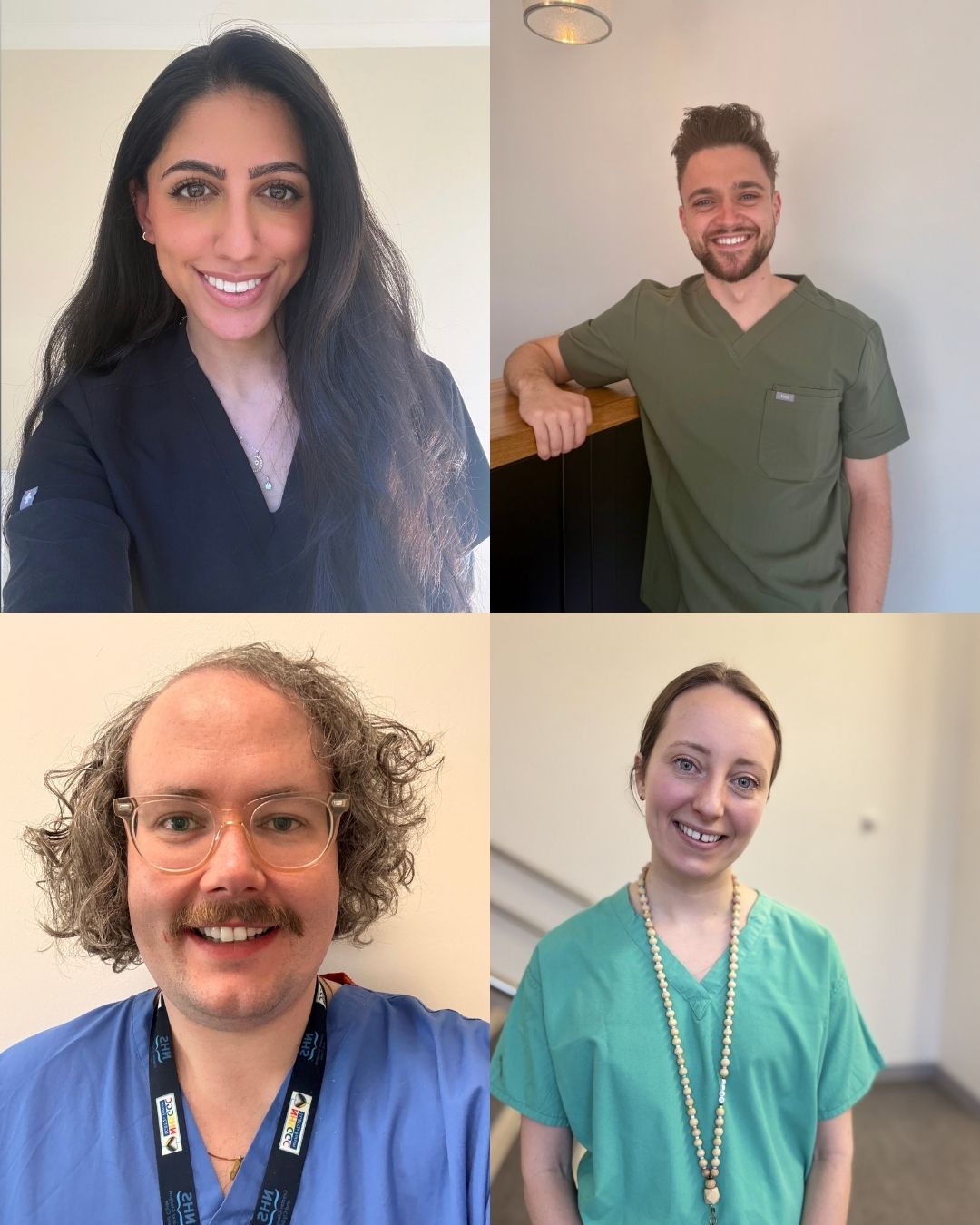
The Scottish Clinical Leadership Fellowship (SCLF) gives dentists dedicated time and space to develop the leadership skills needed to drive change across NHS Scotland. In this guest blog post, four current Clinical Leadership Fellows reflect on a series of sessions with the GDC and what it meant for how they think about regulation.
Introduction
We are four dentists currently undertaking the SCLF programme alongside a multidisciplinary cohort of doctors, pharmacists and pharmacy technicians. This fellowship has provided valuable opportunities to learn through working in unfamiliar areas across NHS Scotland and its affiliated organisations, while gaining insight from current and former healthcare leaders.
Alongside placements at NHS Scotland and our host organisations, we have completed a leadership, management and development programme and engaged in professional coaching, experiences that have both broadened our understanding of effective clinical leadership.
During our year in the programme, we received a series of five interactive sessions with colleagues from the GDC, arranged by Gordon Matheson, the GDC’s Head of Scottish Affairs.
These sessions gave us a rare opportunity to look behind the scenes of a regulator whose work shapes every dental professional's education and working life, and to challenge some of our own assumptions along the way.
Esme Grange
As a Scottish Clinical Leadership Fellow, I have been placed within Public Services Delivery Scotland (PSD Scotland) and the Scottish Government, while working part-time as a specialty trainee in paediatric dentistry.
What struck me most was the GDC's clear move away from a purely disciplinary approach towards something more supportive, preventative and proportionate, particularly around Fitness to Practise (FtP). The focus on earlier resolution, clearer triage and better communication recognises not only the need to protect patients, but also the impact these processes can have on the wellbeing of dental professionals. This shift felt genuinely evidence‑led rather than aspirational, and in keeping with wider system values around kindness, inclusion and learning rather than blame.
That said, it was also acknowledged that scepticism still exists within parts of the profession. Trust won't be rebuilt through intent alone, but through ongoing collaboration and tangible outcomes that show changes to FtP are making processes fairer, faster and more supportive in practice, alongside wider efforts to support the profession.
I also found it valuable to see how the GDC approaches policy development. Its willingness to challenge government proposals highlighted the balancing act between addressing workforce pressures and maintaining public protection. What stood out was the consistent use of evidence and consideration of capacity and unintended consequences, rather than relying on short‑term solutions.
This engagement has been formative in my leadership development, particularly in understanding how leaders can hold the tension between policy ambition, professional reality and public protection without defaulting to simplistic or short‑term fixes.
Overall, these discussions reinforced for me that effective regulation isn't about removing accountability, but about earning trust, by being collaborative, transparent and proportionate, while keeping patient safety firmly at the centre.
John Linden
Like Esme, I am a specialty trainee in paediatric dentistry undertaking the SCLF programme. This year, I have been hosted by both the Scottish Government and PSD Scotland, an organisation that brings together NHS Education for Scotland (NES) and NHS National Services Scotland (NSS), which has given me the opportunity to broaden my understanding of leadership and policy in a national context.
Given my interest in dental education, the session with the Education Quality Assurance team was especially informative, offering valuable insight into the GDC's vision for the future of dental education across the comprehensive training pathway, from undergraduate education to specialty training.
Exploring the recently implemented Safe Practitioner framework of behaviours and outcomes for dental professional education was particularly interesting. I found it encouraging to understand the breadth of development and engagement work undertaken to ensure the framework was evidence-informed and meaningful for the profession.
This shift away from a tick-box focus on isolated competencies towards a holistic, competence-based model highlights the importance of integrating the four domains — clinical knowledge and skills, interpersonal skills, professionalism, and self-management — in navigating the complex and unpredictable clinical environment.
Additionally, the framework gives equal weight to each domain, reinforcing the idea that professional behaviours are interdependent rather than secondary to technical ability. I welcome the fact that this recognition highlights that safe practice relies on the effective integration of these behaviours in day-to-day clinical work.
Another aspect of the framework that felt important was the flexibility built into its learning outcomes and behaviours. I was struck by how this allows education providers to draw on their professional expertise when developing curricula, and to adapt these as practice continues to evolve. This approach feels particularly valuable in supporting innovation within education teams, while ensuring programmes remain responsive, contemporary, and grounded in person-centred care.
For me, the Safe Practitioner framework represents a significant cultural shift in dental education, reframing the aim of training from producing technically proficient graduates to supporting the development of safe, reflective, and resilient professionals able to respond to the realities of contemporary dental practice.
Michael Young
I am a General Dental Practitioner (GDP) working within NHS Highland in an independent dental practice while undertaking my fellowship year with PSD Scotland.
Life as a GDP can often feel confined within the four surgery walls, where the day-to-day management of patients leaves limited time for wider professional development. Undertaking the fellowship this year has provided valuable space to focus on this aspect of my professional growth, and an invitation from the GDC provided an opportunity to gain insight into its ongoing activities.
Going into these sessions, my view of the GDC was largely shaped by its regulatory role, and I was aware that this can often lead to a negative narrative within the profession. However, these sessions provided useful context and challenged these assumptions. One example was our session on the GDC's new corporate strategy, which emphasises a shift towards more proportionate, transparent and right-touch regulation, with the stated aim of becoming a more trusted and effective regulator. The sessions made me realise how often my own view of the GDC is shaped by second-hand narratives rather than direct engagement.
A session on FtP and the GDC's efforts to refine its approach was particularly interesting. While FtP remains a vital mechanism for maintaining the integrity of the register, it was reassuring to hear more about the initial inquiries process, a structured review process in which complaints are assessed before they enter the formal FtP process.
Overall, the sessions provided a more balanced perspective on the GDC, highlighting the importance of engagement in building trust and understanding between the regulator and the profession.
Taranjit (Tara) Kaur
I am a GDP working part-time alongside my fellowship this year with the aim of gaining a deeper understanding of clinical governance and leadership both on an individual and broader team level.
In general practice, the GDC is viewed as having a pivotal role in the regulation of everyday clinical work and professional conduct. Its immense importance is undeniable, yet often there can be a disconnect between practitioners and the work of the GDC. The GDC has recognised that dental professionals have associated this ambiguity with fear, and perhaps a more regulatory stance, which overshadows much of the other important work of the organisation.
The sessions provided by the GDC have been a fantastic resource to learn more about its future plans and projects which focus on the wellbeing of registrants, as well as continuing to ensure standards for patient safety.
The sessions have provided greater context on how the GDC has an integral role in not only maintaining standards but also in education and maintaining data on registration. This is something I was previously unaware of and found informative.
The session on the new approach to FtP was particularly insightful and I believe it will be a welcome change within the dental community. The aim of reducing cases that go through the FtP process by facilitating earlier and more thorough screening seems like a step in the right direction. It was reassuring to hear the process has been modified to consider the impact these complaints can have on registrants.
For me, the new corporate strategy revolving around the key values of trust and care has been a positive change and supports the view that regulation can be provided in a more transparent and compassionate manner. I feel this challenges previous assumptions that regulation is based on blame and fear.
Overall, I feel these sessions have provided a great insight into the broad role of the GDC and its efforts in making regulation a fairer and kinder process whilst also ensuring patient safety and consistently improving standards of dental care and education.
Conclusion
These sessions have been a valuable part of our SCLF year. We gained clearer insight into the workings of the GDC and how the GDC influences day-to-day dental practice, education, and regulation. It's also been a great chance to think about our own roles as future leaders, and how we can engage with and contribute to shaping the profession going forward.
We would encourage fellow dental professionals to engage directly with the GDC and its work; doing so offers a richer, more balanced understanding of regulation and its role in supporting a safe, thriving profession.
The SCLF scheme aims to provide NHS Scotland with a cadre of dentists who are committed to living and working in Scotland and who have enhanced capability to offer leadership in their workplaces.
What to read next…


Dr Helen Phillips
07 October 2026

Shamir B. Mehta
10 September 2026

Shamir B. Mehta
12 August 2026



Dr Helen Phillips
06 August 2026
Shamir B. Mehta
14 July 2026

Dental Professional Alliance
24 June 2026
Shamir B. Mehta
03 June 2026






Professor Adrian Thorp
19 March 2026


Dara Akioye and Simisola Fynn-Famodun
05 March 2026




Lauren Stockham
04 February 2026

Dr Helen Phillips
04 February 2026




Serbjit Kaur
09 January 2026


Dr Helen Phillips
08 January 2026





Dr Helen Phillips
06 November 2025